
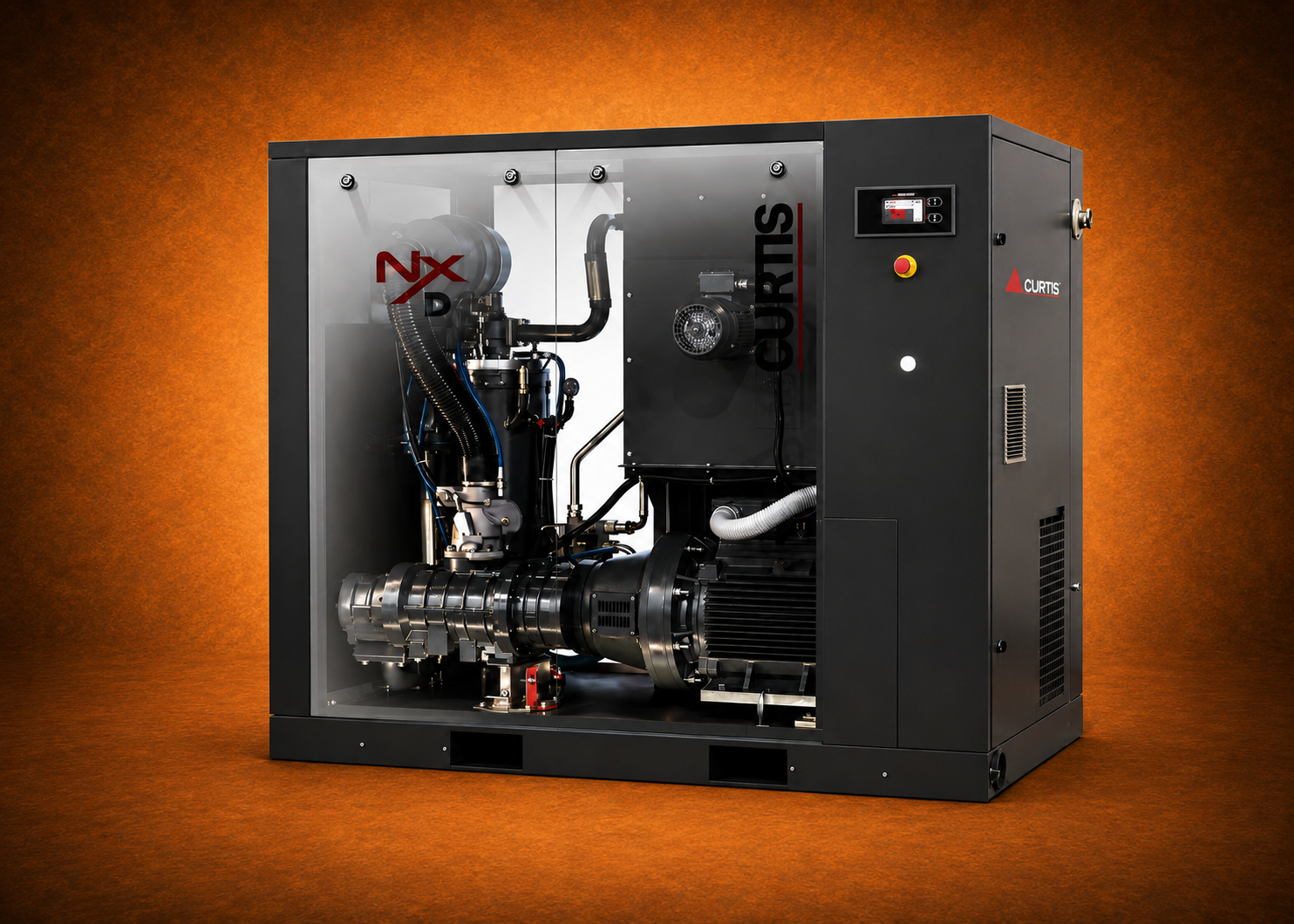
Screw Compressor vs Reciprocating Compressor
Screw Compressor vs Reciprocating Compressor
Choosing screw vs reciprocating is about duty cycle and air quality expectations. Factories with long shifts usually outgrow piston machines quickly.
Key takeaways
- Reciprocating suits intermittent, lower-duty needs.
- Screw suits continuous industrial plant air.
- Noise, vibration and maintenance profiles differ sharply.
- ITT helps Faridabad plants migrate when recip units cannot keep up.
Side-by-side decision factors
| Factor | Screw | Reciprocating |
|---|---|---|
| Best duty | Continuous / high hours | Intermittent / low hours |
| Air delivery | Smoother continuous flow | Pulsating / tank-buffered |
| Noise & vibration | Typically lower | Typically higher |
| Maintenance style | Package service intervals | Valves, rings, more frequent attention |
| Plant fit | Factories & lines | Workshops & small utilities |
When reciprocating still makes sense
Small workshops, backup duties or very intermittent tool air can still use reciprocating compressors. Problems start when a recip unit is forced into continuous production duty—overheating, short cycling and chronic low pressure follow.
Migrating to screw with ITT
Measure demand, check leaks, then size a screw package and treatment. Guide: screw air compressor guide. Product page: screw compressors. Contact ITT.
Frequently asked questions
Can a screw and reciprocating compressor run together?
Sometimes as base/peak or backup, with correct controls and non-return strategy. ITT designs the arrangement to avoid fighting setpoints.
Will a bigger reciprocating compressor fix low pressure?
Often no—if leaks, undersized piping or continuous duty are the root cause. Diagnose the system first.
Is VSD only available on screw compressors?
Industrial VSD packages are commonly screw-based. See our variable speed screw compressor guide.
Review your plant air demand with ITT Faridabad.
Share pressure, flow, duty cycle and location—we’ll recommend the right screw package and system scope.
Screw Compressor vs Reciprocating Compressor: Engineering Support from ITT India
Compare a screw compressor vs reciprocating compressor by duty cycle, capacity, maintenance, noise and cost to choose the right plant-air system.
Plan the right industrial solution
ITT India helps factories evaluate screw compressor vs reciprocating compressor using operating demand, air quality, pressure, energy use, installation conditions and lifecycle service requirements. Our engineers can review your application before equipment selection or system modification.
Explore our compressed air products, use the technical calculators, or request an engineering consultation for Faridabad, Noida and Delhi NCR.