
Why Compressed Air Aluminium Piping Is Replacing Steel
Why Compressed Air Aluminium Piping Is Replacing Steel
Steel compressed-air lines still power many factories, but corrosion, leaks and slow modification are pushing plants toward modular aluminium piping.
Key takeaways
- Moisture in compressed air drives internal steel corrosion and contamination.
- Threaded and welded joints age into leak paths that raise compressor run hours.
- Aluminium modular systems install faster and reconfigure with less downtime.
- ITT helps Faridabad plants migrate ring mains in stages without full shutdowns.
Problems steel compressed air pipelines create
Moisture is normal after compression. Inside steel pipe it promotes rust. Scale narrows effective bore, increases friction and sheds particles toward tools and valves. Joints that start airtight often weep after vibration and thermal cycles—small leaks that add up across a factory.
Maintenance teams then chase pressure complaints by raising compressor setpoints, which multiplies energy cost without fixing the distribution root cause.
What compressed air aluminium piping changes
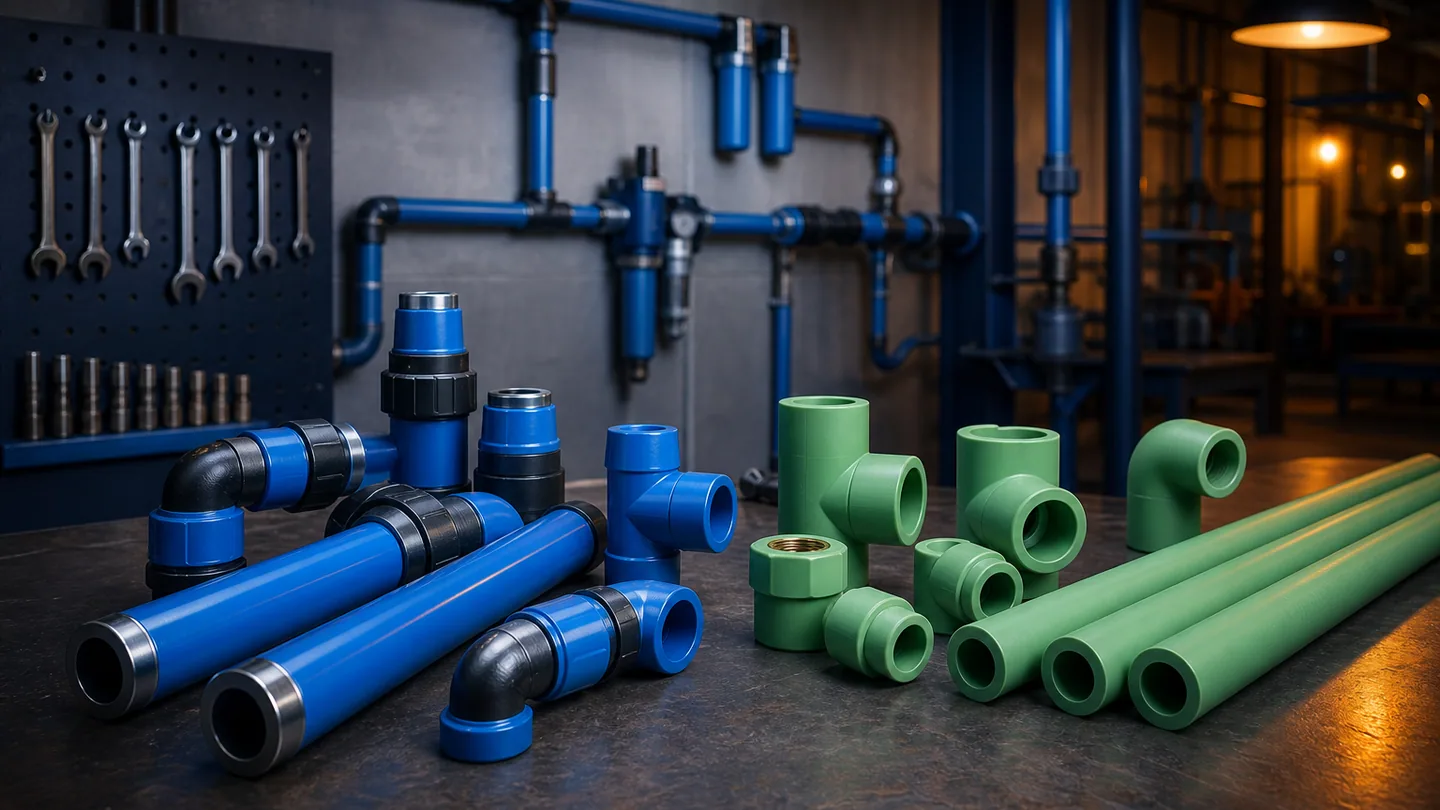
Compressed air aluminium piping stays free of internal rust scale, keeps a smoother flow path and uses engineered mechanical fittings instead of plant-floor welding for most joints. That combination supports cleaner air, more stable pressure and quicker layout changes when machines move.
ITT’s ShiftAir range covers tube, fittings and accessories as one system so seals, clamps and drops stay compatible.
Aluminium vs steel: decision factors
- Air quality — aluminium avoids rust flake in the line.
- Energy — fewer leaks and lower pressure drop reduce wasted generation.
- Install time — modular joints cut hot-work and scaffolding compared with heavy steel.
- Lifecycle — less corrosion-driven replacement on the distribution side.
- Flexibility — add a drop without rebuilding an entire welded branch.
Migration path for existing plants
Full rip-and-replace is not always required. Many Delhi NCR sites start with a critical ring, a new hall, or the worst corroded branches, then expand aluminium as production allows. ITT plans isolation points, temporary feeds and test steps so production impact stays controlled.
Read the product overview: aluminium piping systems. Related guide: aluminium piping for compressed air.
Frequently asked questions
Can aluminium connect to remaining steel pipe?
Often yes, with the correct transition fittings and engineering checks. ITT reviews metallurgy, pressure and layout before mixing materials.
Is aluminium only for new factories?
No. Brownfield upgrades are common—especially where leaks, rust or expansion pain are already visible.
How does this relate to PPR piping?
PPR suits selected air and water duties; aluminium is typically preferred for high-performance dry compressed-air rings. See our aluminium vs PPR guide for a side-by-side.
Review your aluminium piping requirement with ITT India.
Share demand, pressure, layout and plant location—Faridabad and Delhi NCR teams supported from IMT Faridabad.
Aluminium Piping: Engineering Support from ITT India
Learn why aluminium piping is replacing steel compressed-air lines by reducing corrosion, leakage, pressure loss, maintenance and installation time.
Plan the right industrial solution
ITT India helps factories evaluate aluminium piping using operating demand, air quality, pressure, energy use, installation conditions and lifecycle service requirements. Our engineers can review your application before equipment selection or system modification.
Explore our compressed air products, use the technical calculators, or request an engineering consultation for Faridabad, Noida and Delhi NCR.